
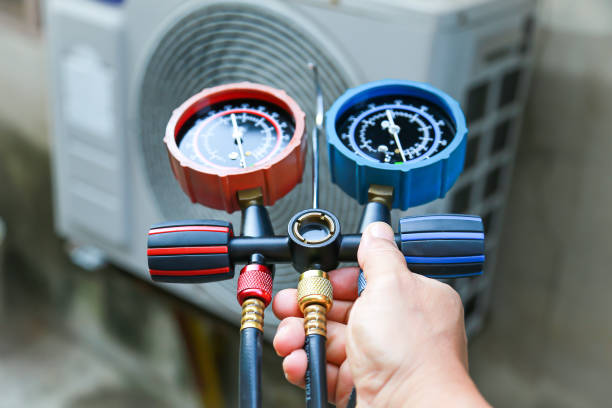
Your HVAC system plays a crucial role in maintaining comfort and indoor air quality in your home or business. However, like any mechanical system, it is prone to wear and tear over time. Spotting early warning signs of trouble can help you avoid costly repairs, energy inefficiency, or even complete system failure. Below are six critical indicators that your HVAC system might need immediate attention from a contractor.
1. Unusual Noises
If your HVAC system is making strange sounds such as banging, clanking, screeching, or grinding noises, it’s time to investigate.
These sounds could indicate:
– Loose parts within the unit
– Problems with the motor or fan blades
– A failing compressor
Ignoring these noises can lead to further damage and potentially higher repair costs.
2. Rising Energy Bills
An unexplained spike in your energy bills often signals that your HVAC system is operating inefficiently. Common culprits include:
– Dirty filters restricting airflow
– Leaking ducts causing energy loss
– An aging unit struggling to maintain performance
Comparing your current utility bills with those of previous years can help you identify significant changes in energy consumption patterns.
3. Uneven Temperature Distribution
Are some rooms too cold while others feel uncomfortably warm?
This inconsistency could indicate:
– Issues with ductwork design or leaks
– A malfunctioning thermostat not regulating temperature properly
– Aging equipment unable to distribute air evenly
Uneven cooling or heating often points to deeper issues that require professional assessment.
| Symptom | Potential Problem |
| Hot/cold spots | Duct leaks |
| Weak airflow | Clogged vents |
| Overworking HVAC components | Incompatible system size |
4. Persistent Odors Coming from Your System
Unpleasant odors should never be ignored as they may indicate:
– Burning smells, which could be caused by electrical issues or overheating components
– Musty odors, signaling mold growth in ducts or internal components due to excessive moisture
Addressing these issues promptly ensures both health safety and proper functioning of your HVAC unit.
5. Frequent Cycling On and Off (Short Cycling)
A properly functioning HVAC unit should operate on consistent cycles. Short cycling—the process where the unit turns on and off frequently—can result from:
– Incorrectly sized systems (too large for your space)
– Faulty thermostats providing inaccurate readings
– Refrigerant leaks causing pressure imbalances
Short cycling reduces efficiency and strains the system unnecessarily, leading to potential breakdowns if not addressed.
6. Age of Your System (10+ Years)
HVAC systems typically have a lifespan of around 10–15 years depending on maintenance levels and usage patterns. If your system has reached this age range and exhibits recurring problems, consider whether repair costs outweigh investing in a modern replacement.
Taking note of these six warning indicators can save you money, ensure indoor comfort, and protect against unexpected breakdowns during peak seasons when reliable heating or cooling is essential. Regular maintenance by a trusted HVAC contractor allows small issues to be addressed before they become major problems requiring costly repairs or a complete replacement decision.
From Noises to Odors: Key HVAC System Issues That Should Not Be Ignored
Your HVAC system is a vital component of your home, responsible for maintaining indoor comfort year-round. However, when unusual noises or strange odors begin to emanate from the system, it’s often a sign that something is amiss. Ignoring these issues can lead to costly repairs, inefficiencies, or even complete system failure. Below are some of the most common noise- and odor-related issues your HVAC might face and what they could mean.
Common Noises and Their Causes
- Banging or Clunking:
This sound often results from a loose or broken part within the blower assembly or motor. It may also indicate an issue with the compressor. - Squealing or Screeching:
These high-pitched noises are frequently linked to worn-out belts or bearings within the motor. - Rattling:
Rattling sounds might suggest loose debris in the ductwork, screws that need tightening, or a failing motor. - Humming:
While some humming is normal during operation, excessive humming could point to electrical issues such as a failing capacitor.
| Noise Type | Possible Cause | Suggested Action |
| Banging/Clunking | Loose/broken parts | Inspect blower/motor assembly |
| Squealing | Worn-out belts/bearings | Replace damaged components |
| Rattling | Loose debris/screws | Clean ducts/tighten screws |
| Humming | Electrical issues | Contact technician |
Strange Odors and What They Indicate
Just like unusual noises, odd smells coming from your HVAC should not be overlooked. Certain odors can signal underlying problems that require professional intervention.
- Often caused by overheating components such as motors or wiring.
- May also indicate dust buildup on heating elements after long periods of disuse.
- Generally points to mold growth in ductwork due to excess moisture.
- Indicates poor drainage in your HVAC condensate line.
- Could be a sign of a gas leak if your HVAC uses natural gas.
- Requires immediate evacuation and professional assistance.
- Could result from refrigerant leaks.
- Often accompanied by reduced cooling performance and higher energy bills.
When to Call an HVAC Professional
- To prevent minor problems from escalating into extensive repairs.
- To ensure safety if potential electrical hazards or gas leaks are involved.
- To maintain energy efficiency by addressing wear and tear promptly.
Regular maintenance appointments can help identify these warning signs early before they cause significant disruptions in your system’s performance.
Identifying Uneven Cooling Across Your Home and What It Means for Your HVAC System
Uneven cooling in your home is not just a matter of comfort; it can be a sign of deeper issues within your HVAC system. Addressing this problem promptly ensures energy efficiency, prevents further system damage, and saves you money in the long run. Below, we’ll explore the possible causes of uneven cooling, what it means for your system, and how you can resolve it.
Common Causes of Uneven Cooling
- Dust and debris buildup can block airflow from vents.
- Furniture or objects placed too close to vents may obstruct air circulation.
- Clogged filters restrict airflow, causing some rooms to receive less cool air than others.
- Regular filter replacement is essential for uniform cooling.
- Poorly designed or aging duct systems can lead to an uneven distribution of air across different zones in your home.
- Leaky or disconnected ducts are another common issue that affects performance.
- Poor insulation in walls, ceilings, or windows allows cool air to escape certain areas while retaining heat in others.
- Older systems may struggle to maintain consistent temperatures across larger homes.
Signs That Indicate an Issue
- Some rooms remain warmer than others despite thermostat settings.
- Airflow feels weaker when standing near vents in certain zones.
- Higher-than-usual energy bills due to inefficiency.
- Frequent temperature adjustments required on your thermostat without lasting results.
Potential Solutions
- Inspect Vents and Filters
Regularly clean vents and replace air filters every 1–3 months to maintain proper airflow. - Evaluate Your Ductwork
Hire a professional HVAC contractor to inspect ducts for leaks or blockages and ensure proper sealing. - Upgrade Your Thermostat
Investing in a smart or zoned thermostat allows better control over individual room temperatures. - Improve Home Insulation
Enhance insulation using weatherstripping seals around doors or windows and adding thermal-resistant materials to walls where required. - Schedule Professional Maintenance
Routine tune-ups by an experienced contractor help detect issues early before they escalate into costly repairs.
Comparing Room Temperatures
| Room/Zone | Temperature (°F) | Cooling Performance Notes |
| Living Room | 72 | Consistently comfortable |
| Bedroom 1 | 78 | Warmer; weak vent airflow |
| Bedroom 2 | 74 | Slight fluctuation throughout the day |
| Kitchen | 76 | Feels humid; inconsistent cooling |
An evaluation like this helps pinpoint problem areas that need immediate attention from an HVAC specialist.
Why You Should Act Quickly
- Increased strain on your HVAC system, resulting in premature wear-and-tear.
- Persistent hot spots that reduce indoor air quality.
- Escalating energy costs due to inefficient performance over time.
Working with a qualified HVAC contractor ensures precise diagnostics, effective solutions tailored to your home’s specific needs, and improved overall system performance.
Understanding Why Your Air Conditioner Blows Warm Air and How an HVAC Contractor Can Help
When your air conditioner (AC) starts blowing warm air, it can quickly turn a comfortable home into an uncomfortable one. This issue not only disrupts your comfort but could also be a sign of deeper problems within your HVAC system. Below, we’ll explore the common causes of this problem and discuss how a professional HVAC contractor can provide solutions.
Common Reasons Your AC Is Blowing Warm Air
- The thermostat might be set to the wrong mode (e.g., “heat” instead of “cool”).
- Faulty or mis calibrated thermostats may not send accurate signals to the system.
- Restricted airflow due to dust and debris in filters can reduce cooling efficiency.
- A blocked filter may cause the evaporator coil to freeze, leading to warm air output.
- Low refrigerant levels caused by leaks prevent the system from adequately absorbing heat.
- Signs of a refrigerant issue include hissing sounds or visible ice on coils.
- The compressor is a critical component that circulates refrigerant through the system.
- Failure or malfunctioning of the compressor often results in warm air being blown.
- Compromised electrical connections or blown fuses can disrupt the functionality of major AC components like fans, compressors, or capacitors.
- Dirt, debris, or external obstructions around the condenser unit inhibit heat exchange.
- Inadequate heat dissipation leads to ineffective cooling performance.
Why Routine Maintenance Matters
- Seasonal Inspections: Regular checkups by an HVAC contractor ensure all components are functioning efficiently.
- Filter Replacement: Changing filters every 1–3 months prevents airflow obstructions.
- System Cleaning: Keeping coils and condenser units clean promotes steady cooling performance.
- Refrigerant Checks: Detecting and addressing refrigerant issues early minimizes costly repairs later.
How an HVAC Contractor Can Help
| Problem | Solution Provided by HVAC Contractor |
| Refrigerant Leak | Detect leaks using advanced tools; recharge refrigerant safely |
| Thermostat Malfunction | Repair or replace faulty thermostat units |
| Compressor Issues | Diagnose compressor health; repair/replace as necessary |
| Electrical Failures | Inspect wiring for faults, repair damaged components |
Benefits of Addressing Warm Air Issues Promptly
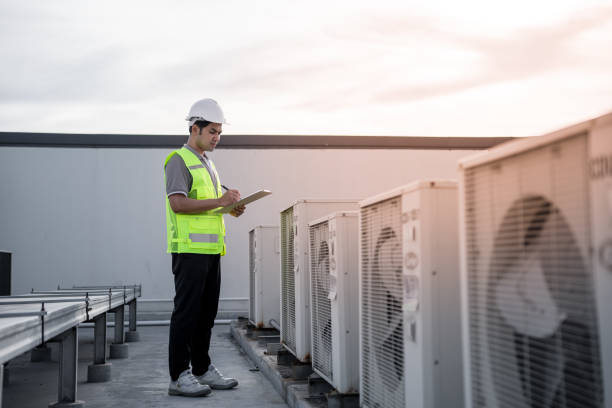
Ignoring warm air output from your AC could lead to bigger problems over time:
– Increased energy bills due to inefficient operation
– Potential breakdowns requiring more expensive repairs
– Shortened lifespan of critical components like compressors and fans
By working with a professional HVAC technician early on, you can maintain optimal performance and ensure energy efficiency while avoiding unnecessary discomfort during warmer months.
Taking proactive steps when you notice warning signs like warm air output ensures that small issues don’t grow into larger ones requiring costly replacements or entire system upgrades.
The Importance of Addressing Moisture and Leakage Problems in Your HVAC System Before They Escalate
Moisture and leakage issues in your HVAC system are red flags that should be addressed promptly. If left unresolved, these problems can lead to costly repairs, inefficient operation, and even health risks for occupants. This article explores why it’s vital to tackle moisture and leakage concerns early, common causes of these issues, and the steps you can take with the help of an HVAC contractor.
Why Moisture and Leakage Issues Demand Immediate Attention
- Mold Growth: Excess moisture creates a favorable environment for mold and mildew, which can affect indoor air quality and lead to respiratory issues.
- Structural Damage: Water leaks can damage surrounding structures like walls, ceilings, and flooring.
- Energy Inefficiency: A leaking system often struggles to maintain proper cooling or heating efficiency, driving up energy costs.
- System Failure: Prolonged water-related issues may damage critical components of your HVAC system.
Common Causes of Moisture Problems in HVAC Systems
| Cause | Explanation |
| Clogged Drain Lines | Blockages in the condensate drain line prevent water from exiting properly. |
| Refrigerant Leaks | Low refrigerant levels can lead to coil freezing, which melts into excess water. |
| Dirty Evaporator Coils | Dirt accumulation prevents adequate heat exchange, causing condensation buildup. |
| Improper Installation | Poorly installed systems may have inadequate drainage or sealing issues. |
| Damaged Components | Cracked drip pans or corroded pipes are common sources of leaks over time. |
Steps to Address Moisture and Leakage Issues
- Look for puddles near your indoor unit or signs of dripping water.
- Check for unusual humidity levels inside your home.
- Routine inspections by a licensed HVAC contractor can help identify potential problems early.
- Cleaning components like evaporator coils and drain lines ensures optimal performance.
- Replace cracked pans or fix corroded pipes promptly to prevent further leaks.
- Ensure refrigerant levels are checked regularly.
- Consider replacing outdated units if they frequently experience leakage or excessive condensation problems.
- Ensure vents are unobstructed and filters are clean to promote efficient airflow within the system.
When Professional Help is Necessary
- Diagnose underlying causes accurately.
- Repair malfunctioning components without causing further damage.
- Offer guidance on whether repairs suffice or if a replacement is needed based on leak severity.
By addressing moisture and leakage concerns promptly with expert advice, you protect not only your HVAC system but also your home’s air quality and energy efficiency over time. Regular maintenance ensures a healthier indoor environment while minimizing unexpected repair costs down the line.
How Rising Energy Costs Can Signal the Need for an HVAC Replacement or Upgrade
Rising energy costs can be a significant indicator that your HVAC (heating, ventilation, and air conditioning) system is no longer operating efficiently. Ignoring these signs may lead to increased utility bills, inconsistent indoor comfort, and costly repairs over time. Below, we’ll explore key points to help you identify whether it’s time to consider a replacement or upgrade.
Signs Your HVAC System May Be Driving Up Energy Costs
- Most HVAC systems have a lifespan of 10–15 years. As they age, their efficiency declines due to wear and tear on components.
- Older systems often lack modern energy-efficient technology found in newer models.
- If your system breaks down frequently or requires constant adjustments, it may be inefficient and consuming excess energy.
- Compare the costs of frequent repairs with the price of a replacement to determine the most cost-effective solution.
- Uneven heating or cooling across your home might indicate that the system is struggling to maintain comfort efficiently.
- Inefficient systems have to work harder, resulting in higher energy consumption.
- If your electricity bill continues climbing despite consistent usage patterns, it could point to declining performance in your HVAC unit.
Benefits of Upgrading Your HVAC System
- Enhanced Energy Efficiency: Modern systems often feature high SEER (Seasonal Energy Efficiency Ratio) ratings and ENERGY STAR certifications.
- Lower Utility Bills: Improved efficiency means less strain on your energy supply and lower monthly operational costs.
- Better Indoor Air Quality: Newer units offer advanced technologies like HEPA filtration and humidity controls for improved air quality.
- Smart Thermostat Integration: Many contemporary systems are compatible with smart thermostats that allow for better temperature regulation and personalized scheduling.
Cost Comparison Table: Repair vs Replace
| Criteria | Frequent Repairs | System Replacement |
| Initial Cost | Low-to-moderate (short-term expense) | High (one-time investment) |
| Long-term Expense | High due to recurring maintenance & repairs | Moderate; reduced utility bills |
| Efficiency Improvement | Minimal | Significant |
| Lifespan Extension | Limited | Substantial |
Steps to Take if You Notice Rising Energy Costs
- Schedule an energy audit: An experienced HVAC contractor can perform an inspection and evaluate whether inefficiencies stem from your system or other factors like poor insulation.
- Check for rebates: Many utility companies offer rebates or incentives for upgrading to energy-efficient models.
- Consult a licensed professional: A certified contractor will recommend tailored solutions based on your home’s unique needs.
Addressing rising energy costs promptly not only improves home comfort but also saves money in the long run by reducing unnecessary expenses associated with older, inefficient systems.
Identifying Issues That Require Air Conditioning Repair Miami Residents Can Rely On
An efficient and well-functioning HVAC system is essential for maintaining indoor comfort throughout the year. However, performance deficiencies in your cooling or heating system can compromise efficiency, increase operational costs, and lead to discomfort. Recognizing these deficiencies early can save you from costly repairs or system replacements. Below is a guide to identifying common performance issues and what they might mean for your HVAC system.
Common Indicators of Performance Deficiencies
- Uneven heating or cooling across rooms may indicate problems with ductwork, airflow, or thermostat calibration.
- Check whether some rooms feel significantly warmer or cooler than others despite consistent thermostat settings.
- Weak airflow from vents could be caused by clogged air filters, blockages in the ductwork, or failing blower motors.
- This issue can strain your system as it works harder to maintain desired temperatures.
- Short cycling could signal issues such as oversized equipment, refrigerant leaks, or faulty thermostats.
- Frequent cycling shortens the lifespan of the HVAC unit and reduces energy efficiency.
- A sudden spike in energy costs without a clear explanation often points to inefficiencies in your HVAC system.
- This could be due to worn-out components, poor insulation, or an aging unit struggling to keep up with demand.
- If your home remains uncomfortable no matter how long the unit runs, this can indicate refrigerant issues, leaks, or compressor malfunctions.
- Other potential culprits include improperly sized equipment that cannot meet your home’s heating or cooling load.
- Strange sounds such as banging, hissing, grinding, or squealing are clear signs that mechanical components need inspection.
- These noises often precede more significant problems if not addressed promptly.
Steps You Can Take Immediately
- Inspect and Replace Air Filters: Dirty filters reduce airflow and put additional strain on the system. Replace them every 1-3 months depending on use.
- Check Thermostat Settings: Ensure that your thermostat is properly calibrated and set at an efficient temperature for seasonal use.
- Examine Vents and Ducts: Make sure vents are not obstructed by furniture and inspect visible sections of ductwork for leaks or damage.
- Schedule Preventative Maintenance: Regular servicing by an HVAC contractor helps identify emerging issues before they become serious problems.
When to Contact a Professional Contractor
| Issue | Potential Cause | Required Service |
| Uneven temperatures | Leaky ducts/airflow imbalance | Duct sealing/balancing |
| Short cycling | Faulty components/refrigerant | Diagnosis & repairs |
| Increased energy bills | Aging unit | Energy audit/system upgrade |
| Unusual noises | Mechanical failure | Comprehensive inspection |
Prompt attention to these deficiencies ensures optimal performance while extending the life of your HVAC system. Regular maintenance combined with early intervention minimizes downtime and ensures better comfort for you and your family all year round.
Understanding Strange Noises from Your Miami HVAC System and Their Potential Causes
Strange noises coming from your HVAC system can be a clear indication of underlying issues that require immediate attention. Ignoring these sounds may lead to more complex problems, increased repair costs, or even a complete system breakdown. This guide will help you understand the most common HVAC noises, their potential causes, and how they should be addressed.
1. Banging or Clanking
A banging or clanking noise often suggests that there is a loose or broken component within your system. Common causes include:
– Loose fan blades
– A damaged motor mount
– Broken connecting rods or crankshafts in older systems
These issues should be inspected promptly by an HVAC contractor to prevent further mechanical damage.
2. Squealing or Screeching
High-pitched squealing sounds are typically associated with motor-related problems. Possible reasons include:
– Worn-out blower belts
– Malfunctioning fan motors
– Improper lubrication of moving parts
It’s crucial to address this issue early, as prolonged operation under these conditions can cause motor failure.
3. Rattling
Rattling sounds often point to loose screws, bolts, or panels in your HVAC unit. They could also indicate debris trapped inside the system. Regular maintenance and cleaning can mitigate this problem before it worsens.
4. Hissing or Whistling
A hissing noise may signal an air leak, particularly in ductwork or refrigerant lines. Causes include:
– Cracked duct seals
– Refrigerant leaks (which also impact cooling efficiency)
Refrigerant leaks need immediate professional attention due to their impact on performance and energy consumption.
5. Buzzing
Buzzing sounds can originate from electrical components such as:
– Faulty capacitors
– Loose wiring connections
– Electrical arcing
These issues pose a safety risk if left unresolved and require the expertise of an experienced contractor.
6. Clicking During Startup
Clicking sounds during startup are typically normal as relays engage and disengage; however, constant clicking can indicate:
– A failing thermostat
– Issues within control switches
Persistent clicking should not go unchecked for both functional and safety reasons.
When to Contact an HVAC Company Miami, FL for Your Heating and Cooling Needs
- Persistent strange noises that do not subside after basic troubleshooting (e.g., checking air filters).
- Unusual frequency of sounds during operation cycles.
- Accompanying signs such as reduced airflow or inconsistent temperatures in your home.
Tips for a Quiet and Efficient AC Replacement Miami Residents Can Trust
| Maintenance Task | Frequency |
| Inspect and clean air filters | Every 1–3 months |
| Check ductwork for leaks | Annually |
| Lubricate moving parts | Twice a year |
| Schedule professional tune-ups | Annually (ideally before seasons) |
By staying proactive with maintenance tasks like inspecting components and cleaning filters regularly, you can prolong the life of your system while ensuring silent operation.
Understanding the meaning behind different noises allows homeowners to make informed decisions about whether repairs are necessary immediately—or if simple adjustments will suffice—helping maintain comfort throughout the year without interruption.
- Discover the Advantages of Upgrading Your HVAC System for Comfort, Efficiency, and Reliable AC Repair Miami
- Addressing Air Conditioner Issues Early with a Trusted Miami HVAC Contractor
- 10 Warning Signs Every Homeowner in Need of AC Repair Miami Should Watch
- Recognizing the Six Early Warning Indicators That Your HVAC System Requires Immediate Repairs or Replacement
- How AC Repair Miami Experts Drive Growth and Innovation in the HVAC Sector
- How Air Conditioning Repair Miami Services Can Resolve Common Cooling and Heating Problems
- How to Choose the Right Contractor for Air Conditioning Repair Miami
- Identifying Early Signs Your HVAC System Needs Air Conditioning Repair Miami